Project:
SLATE AUTOMOTIVE - PrEORDER
Category:
Creative Direction, FULL CG FILM, EDITORIAL, MOTION GRAPHICS, Generative
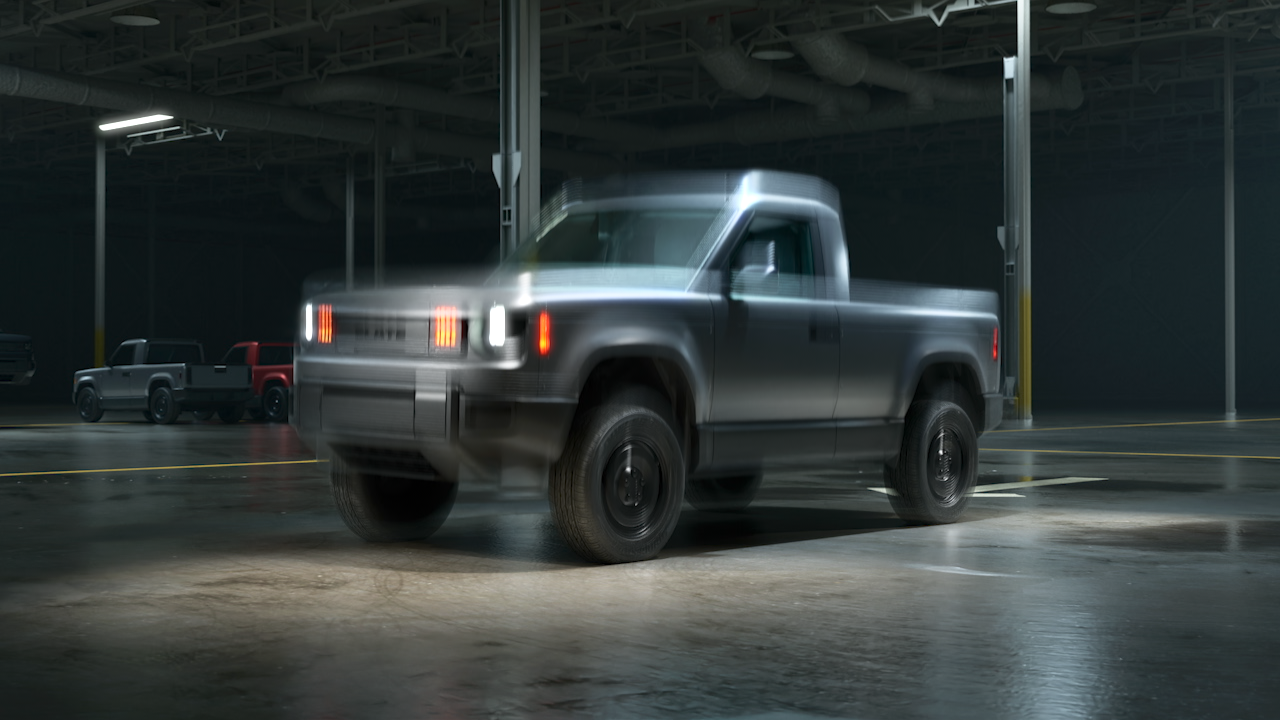
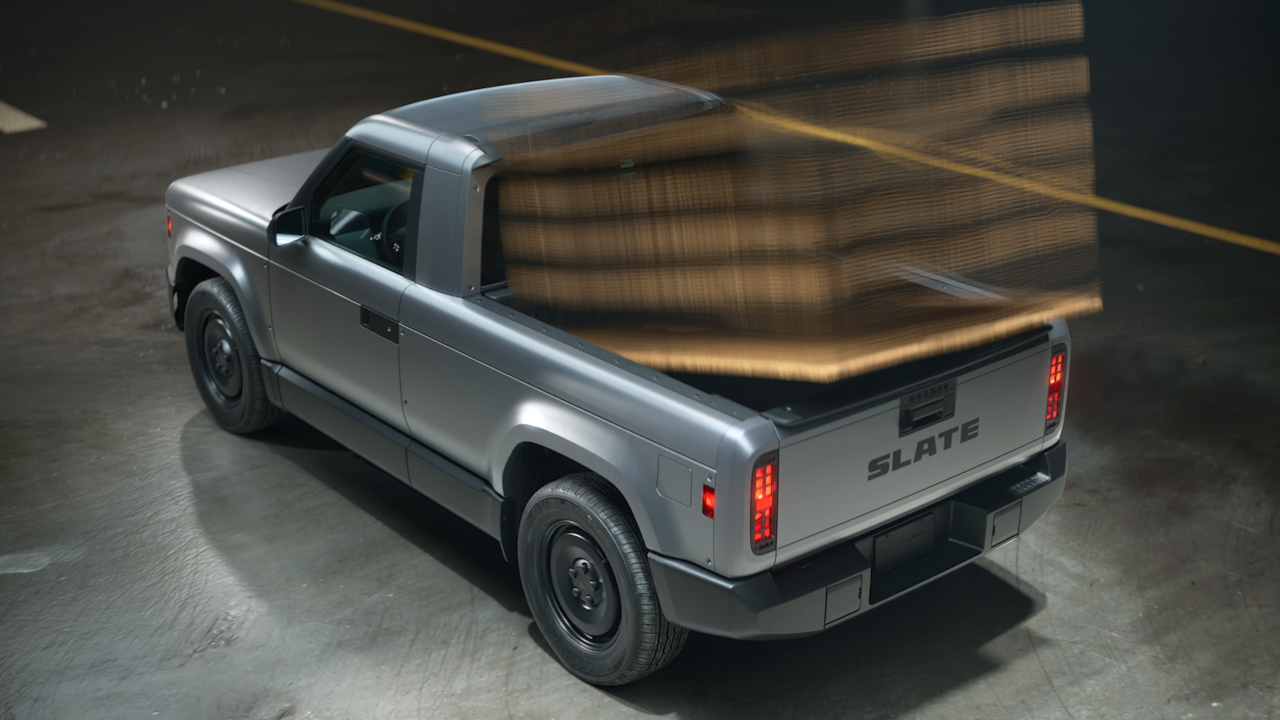
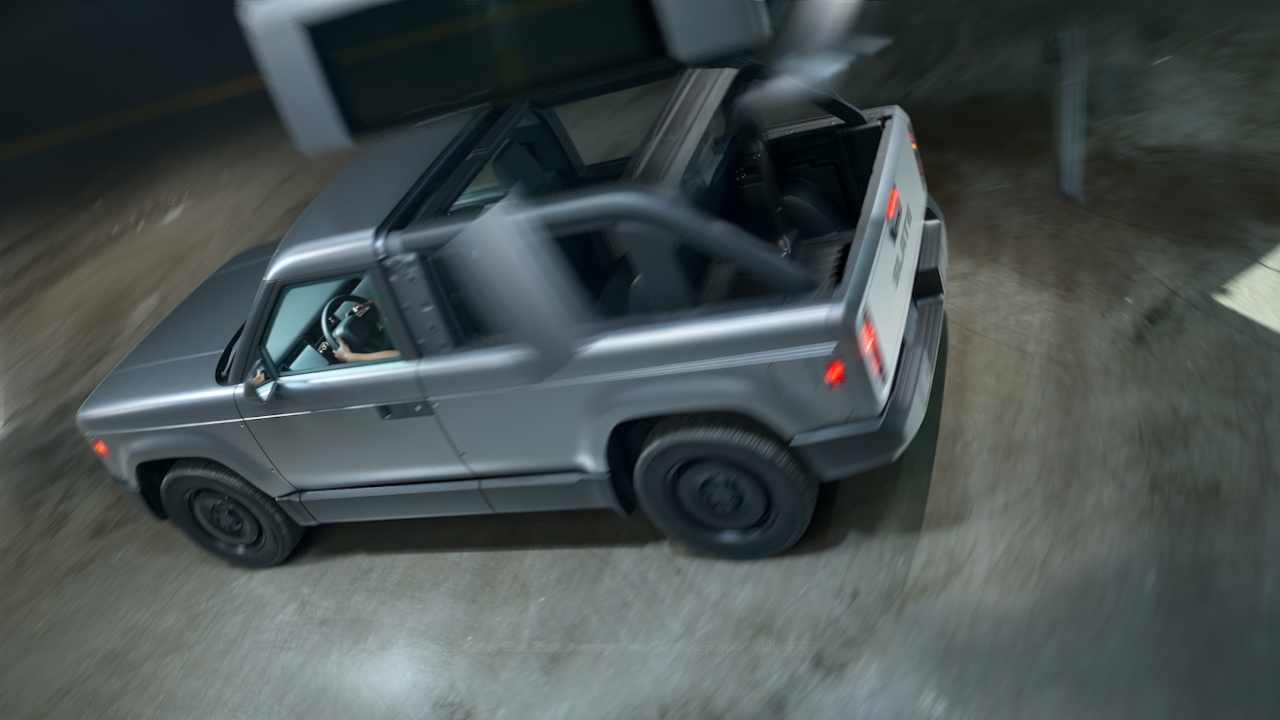
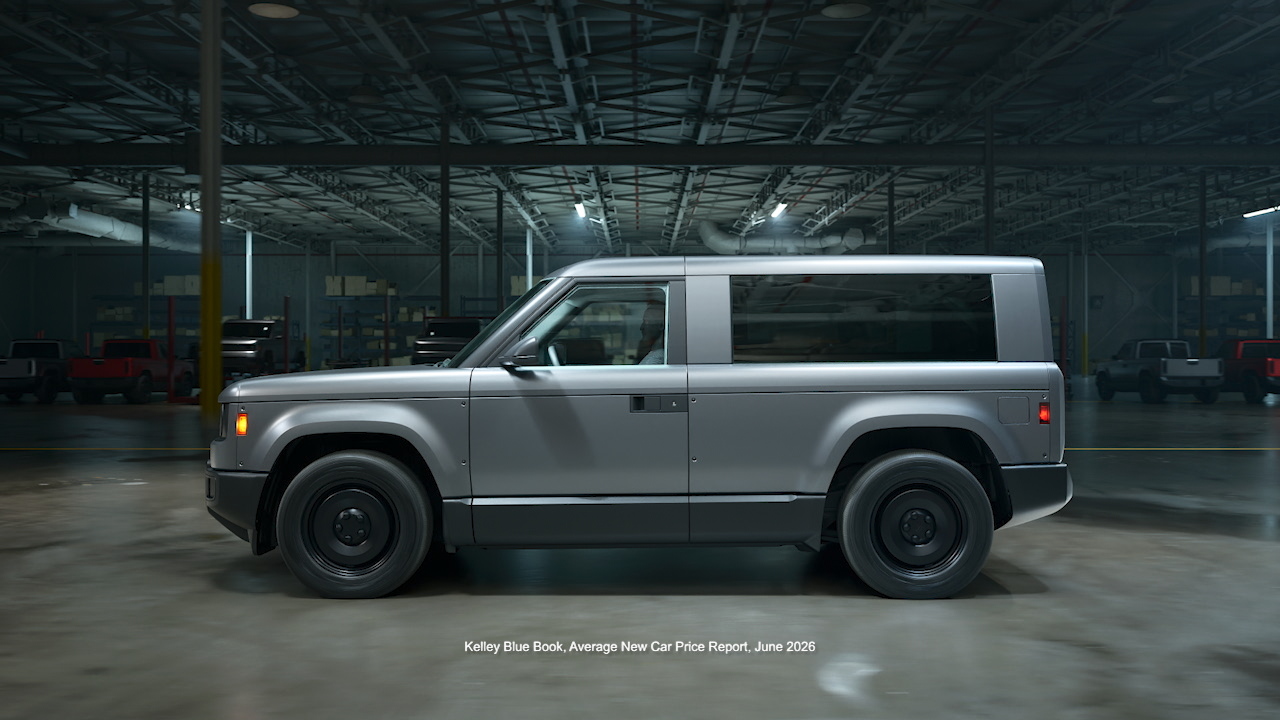
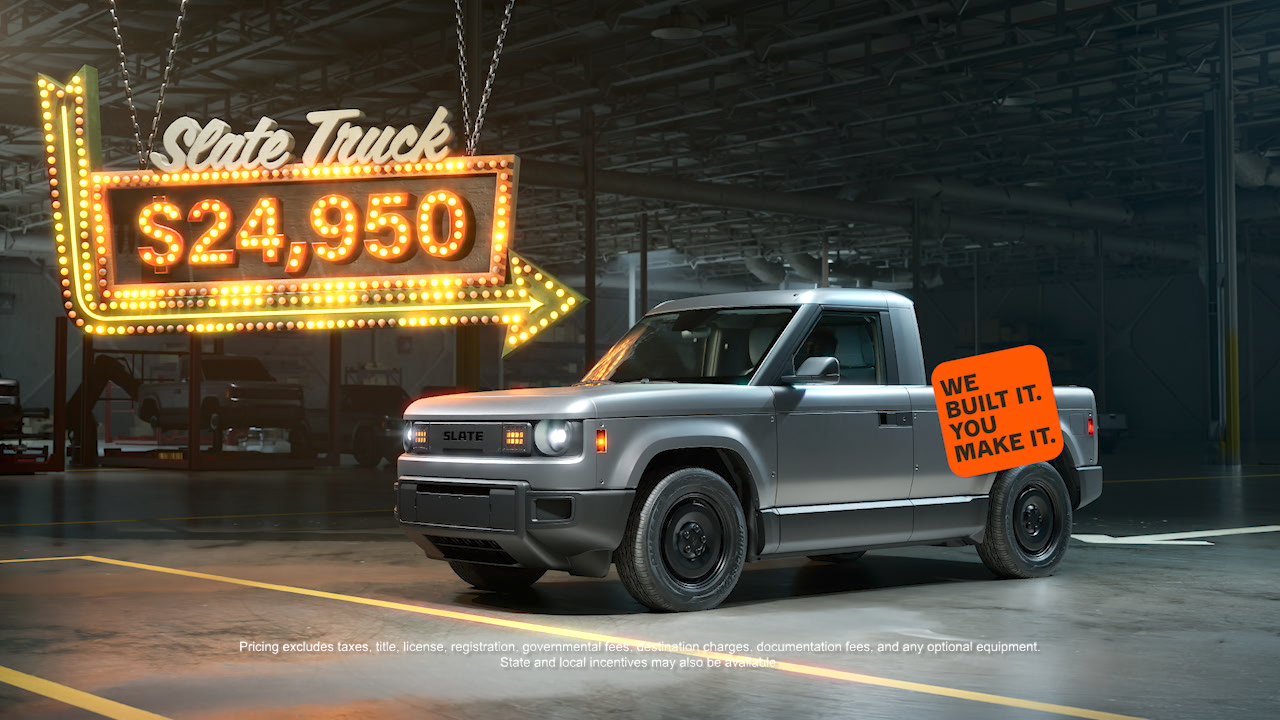
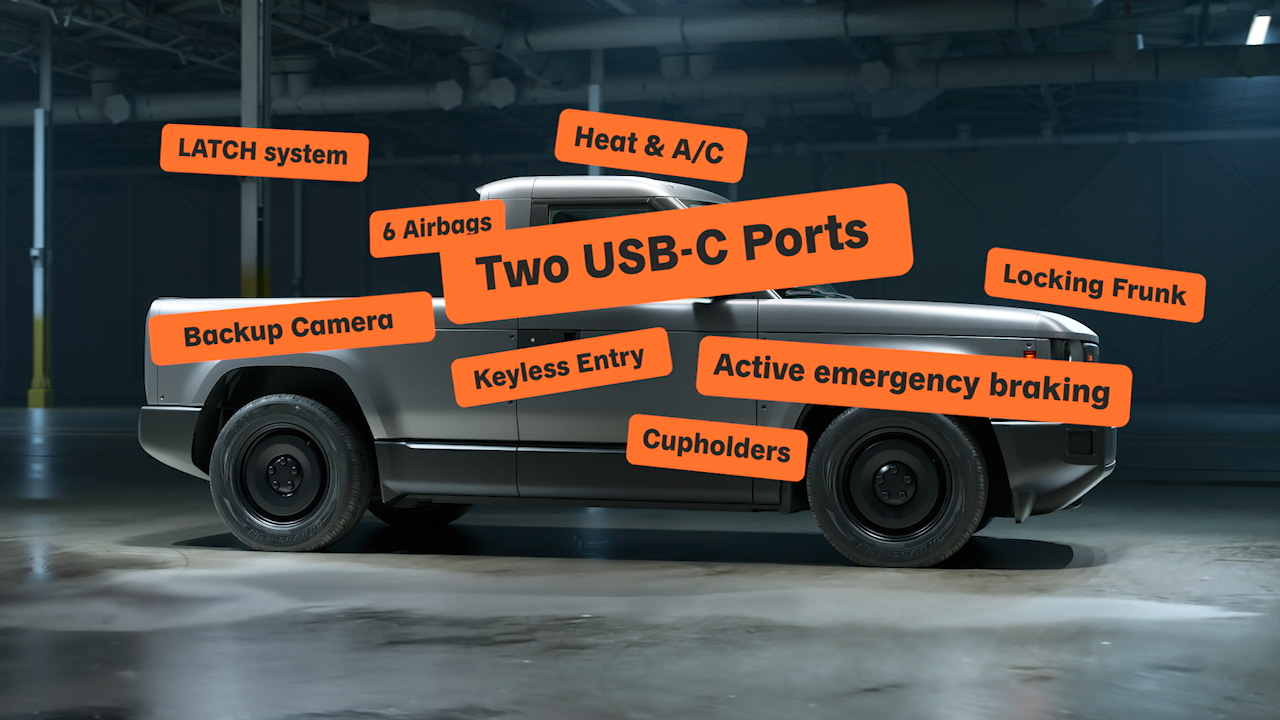
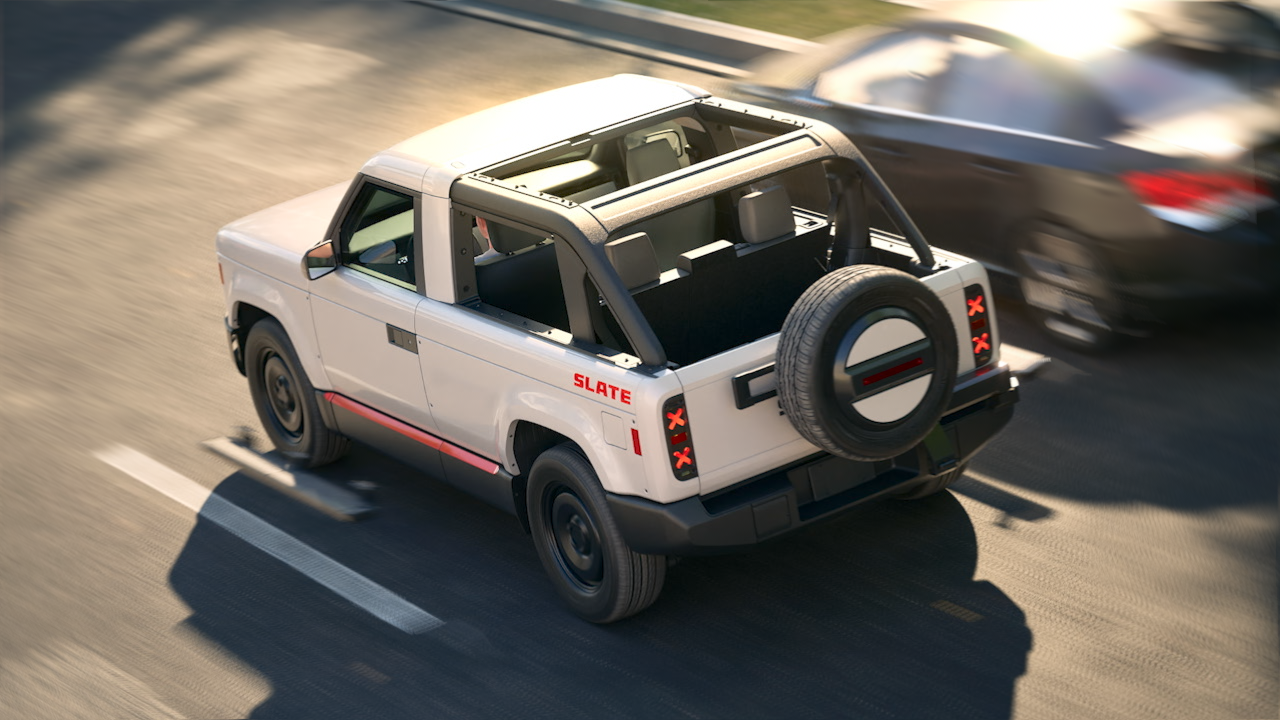
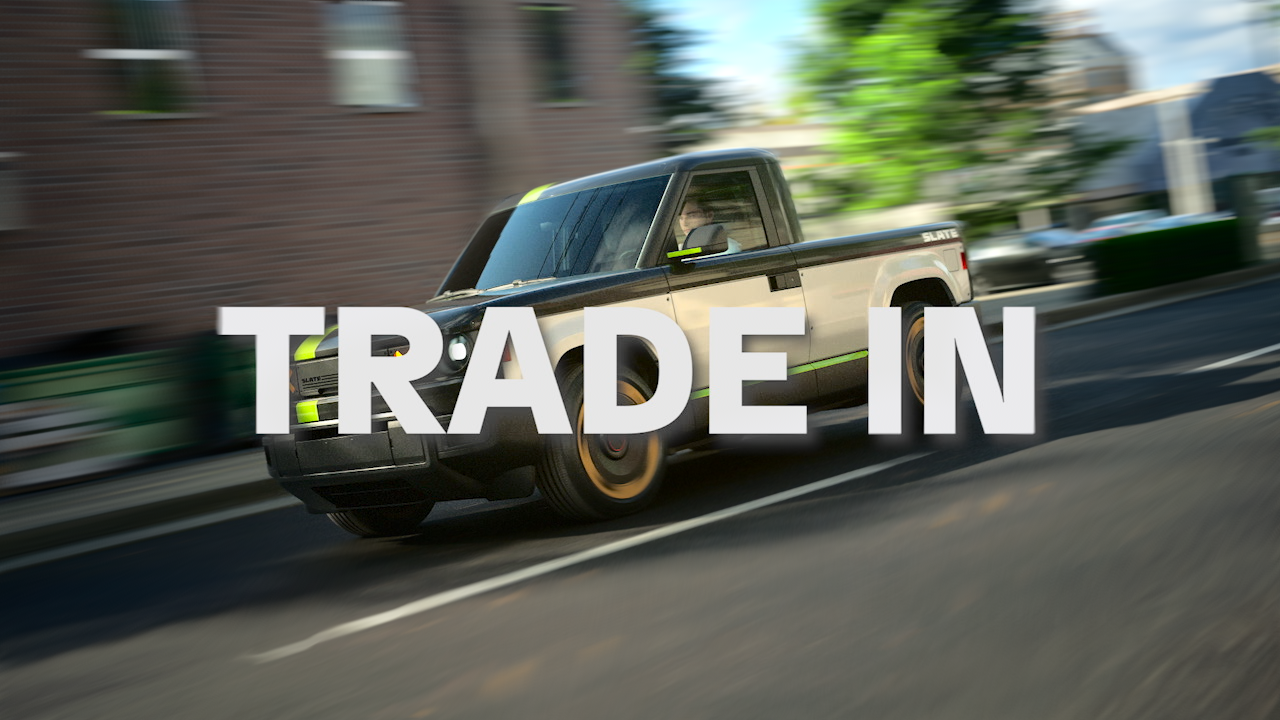
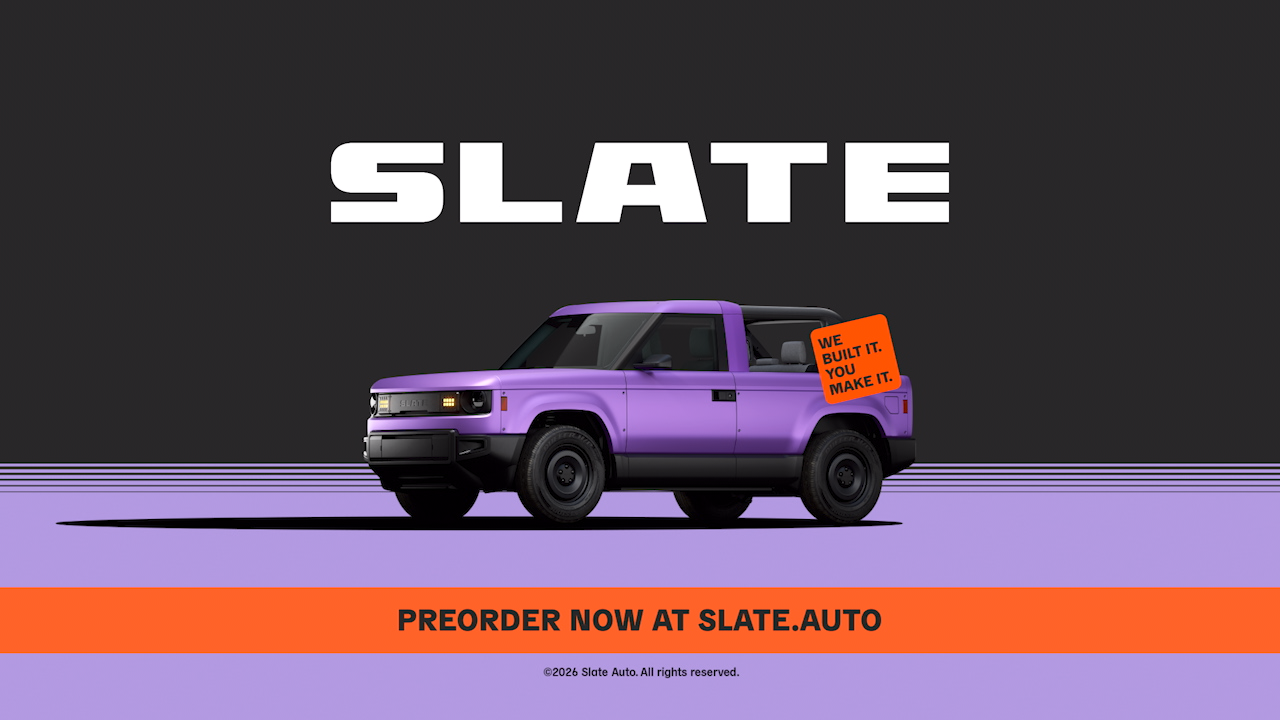
Slate had already made a statement with its radically simple electric pickup: a vehicle that can transform into whatever you need, even an SUV. But the real question was whether it could deliver on the promise of being actually affordable.
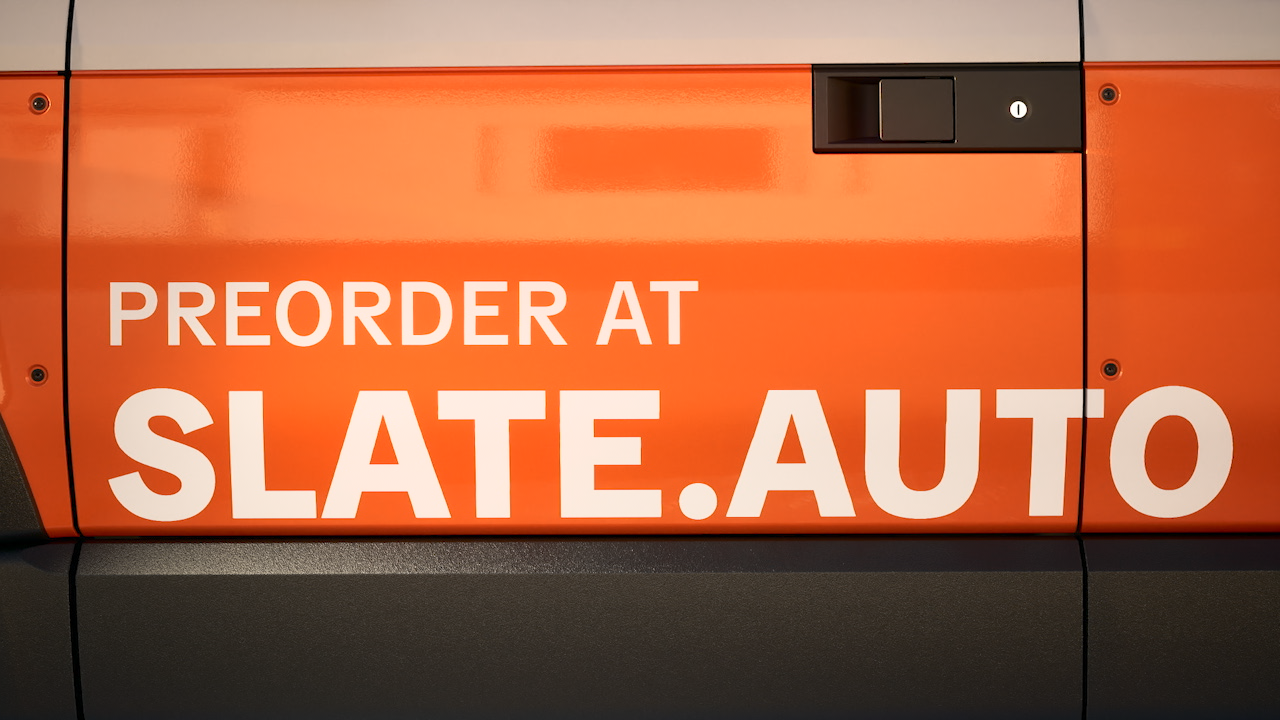
For Slate’s price reveal, Rideview partnered with the team again to help turn that moment into a clear visual statement: an electric truck, built in the USA, designed to be customizable, useful, and attainable.
This followed our earlier work with Slate on their launch campaign, where we helped introduce the brand through a bold CG-driven film and social rollout highlighting the vehicle’s radical simplicity, transformable design, and accessible vision for the future of EVs.
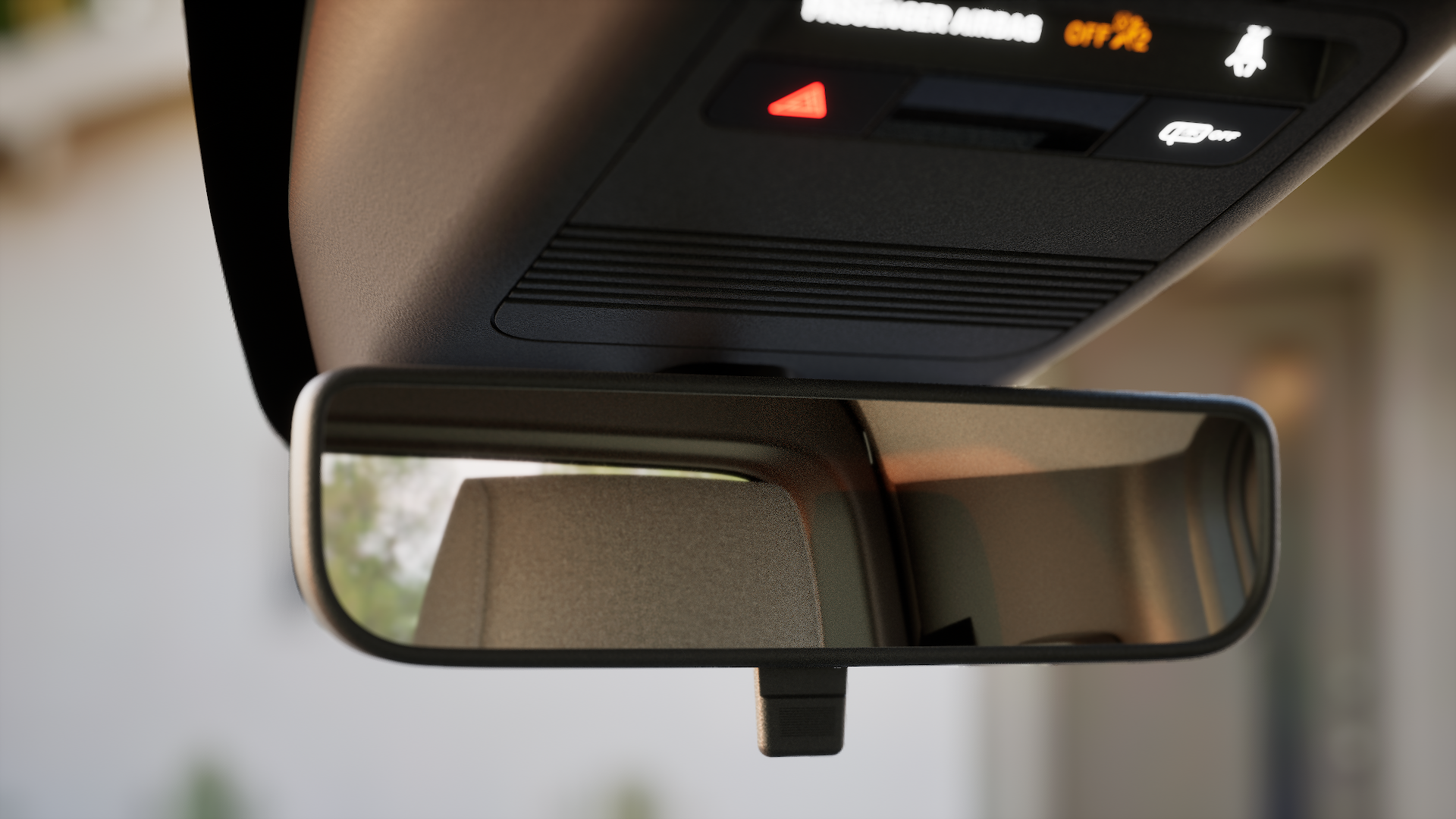
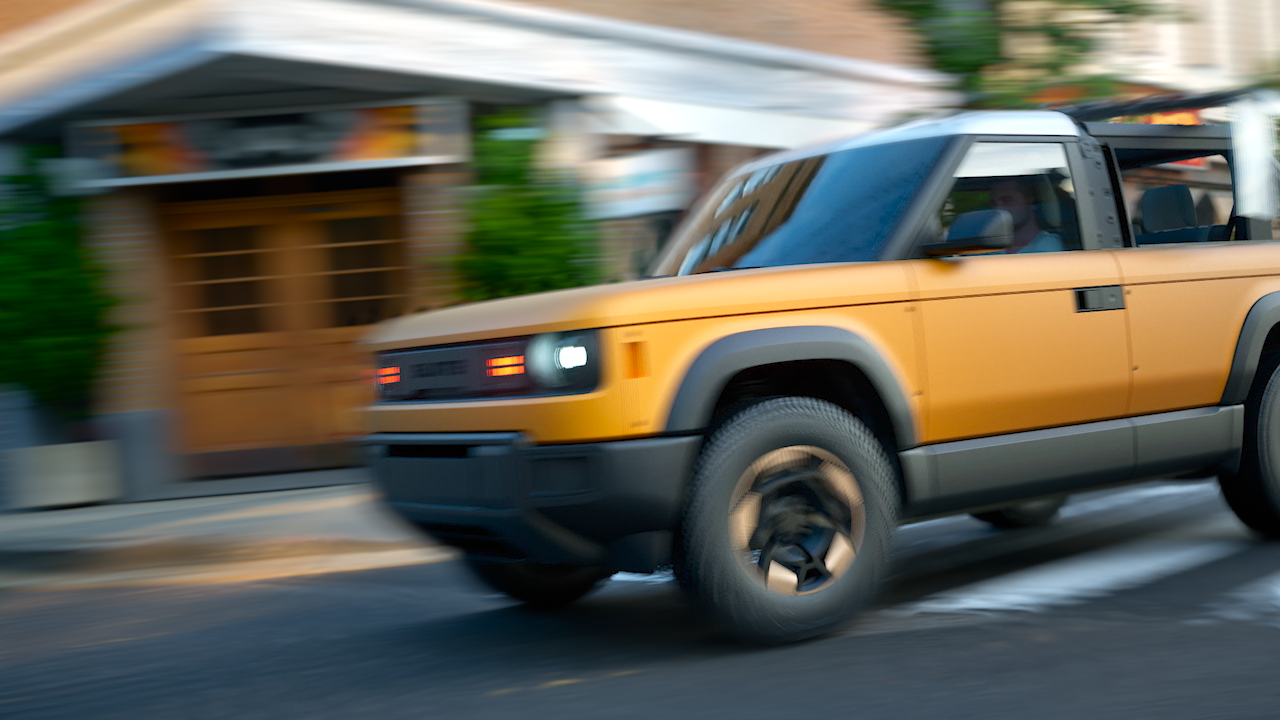
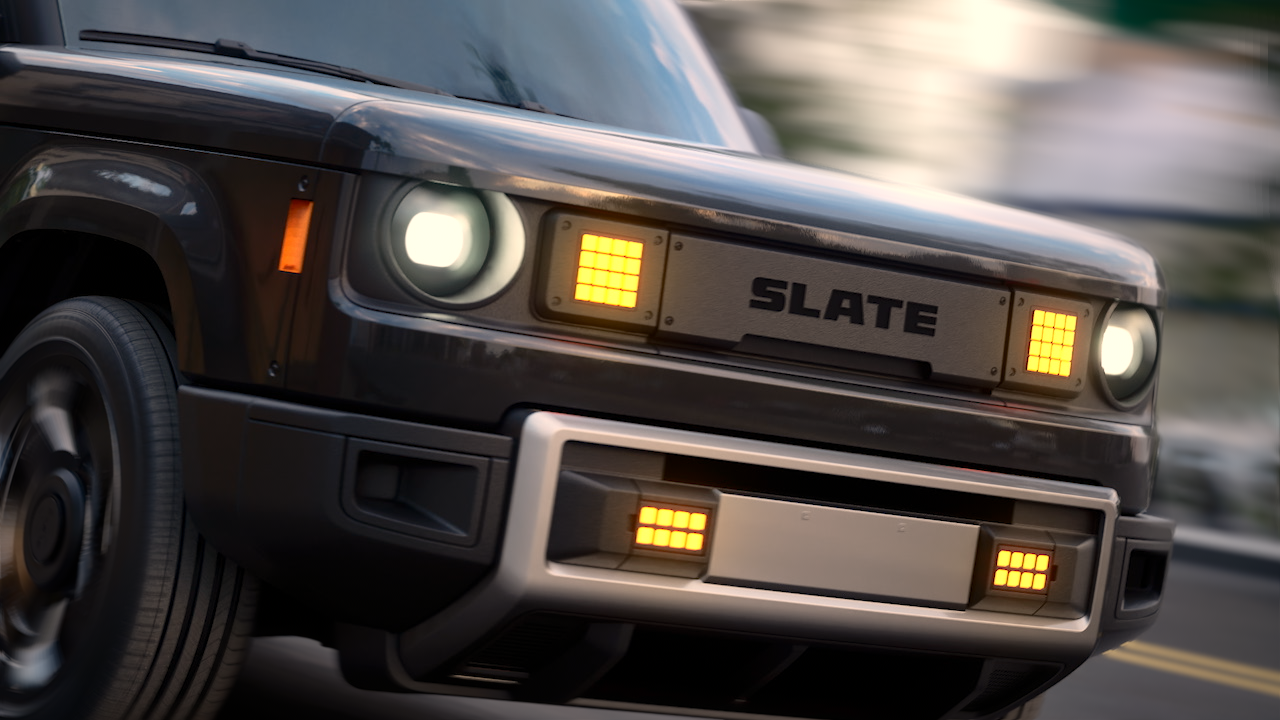
CGI gave us the speed and flexibility to create a wide range of content while embracing a deliberately stylized look that felt true to Slate’s honest, utility-first brand.
Across both projects, Rideview created film, social, and graphic design assets for web, social, and brand channels, helping Slate generate millions of social views in a matter of days.
AI + cgi wORKFLOW
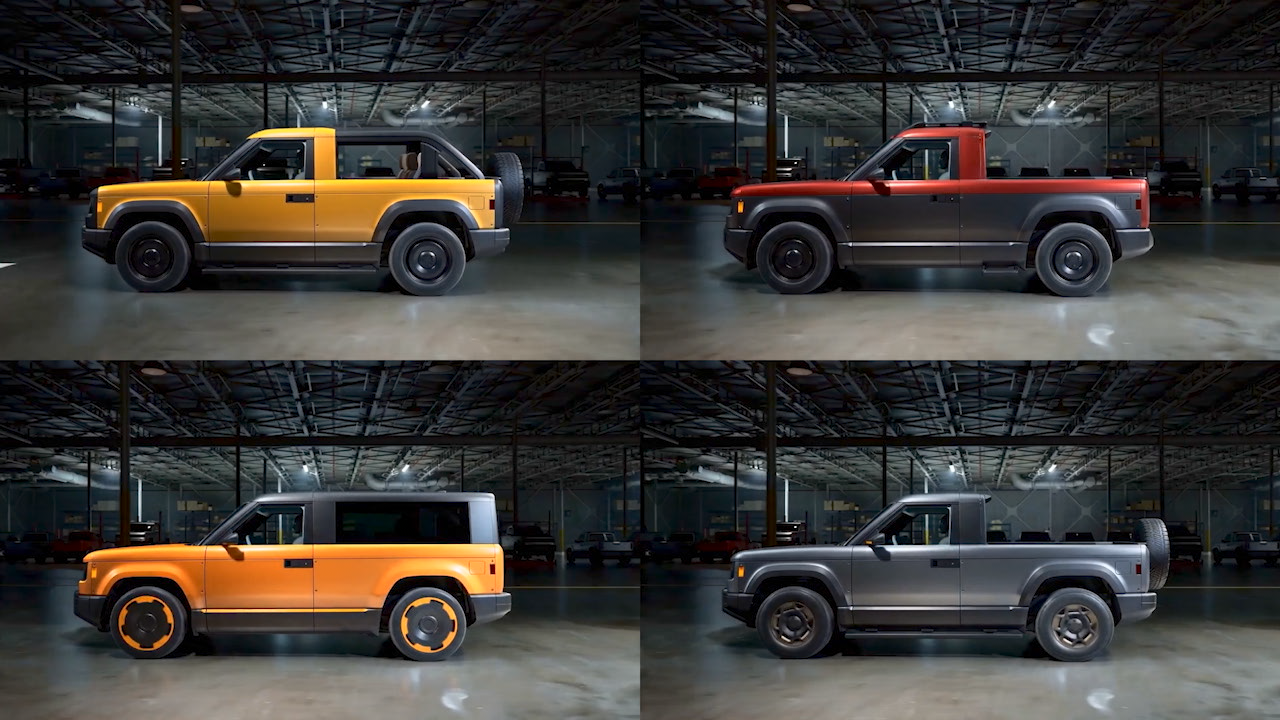
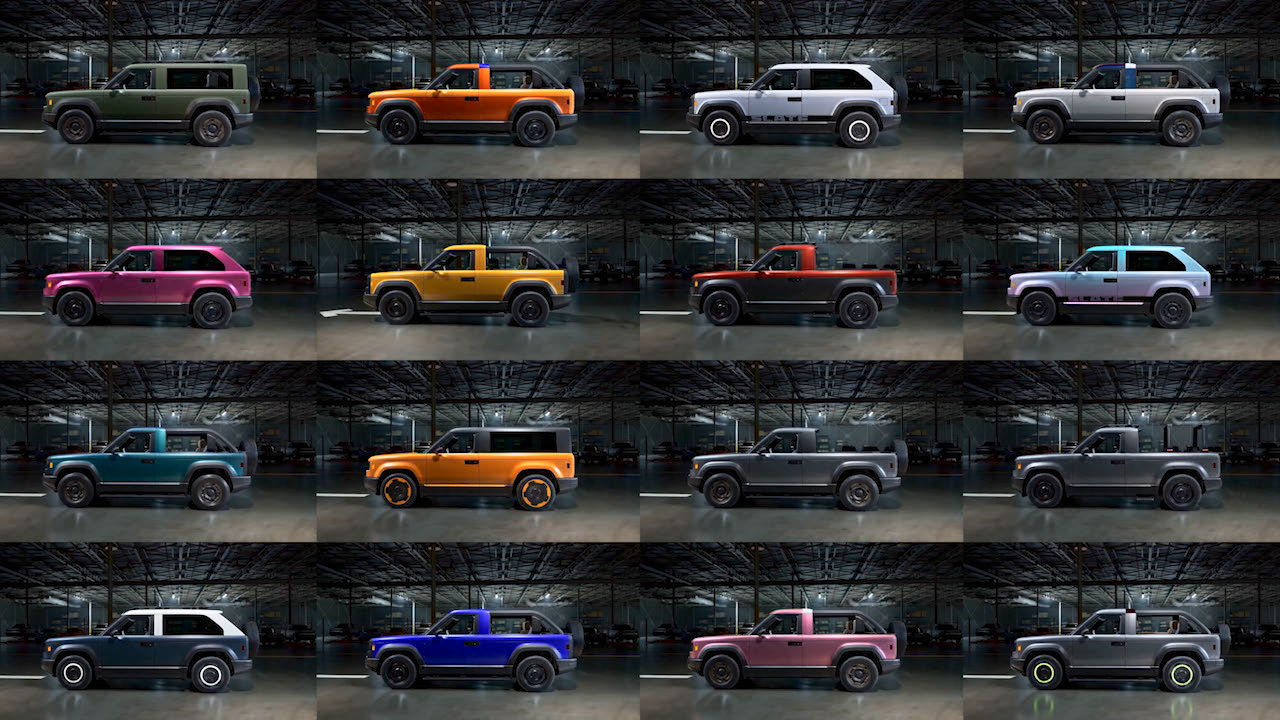
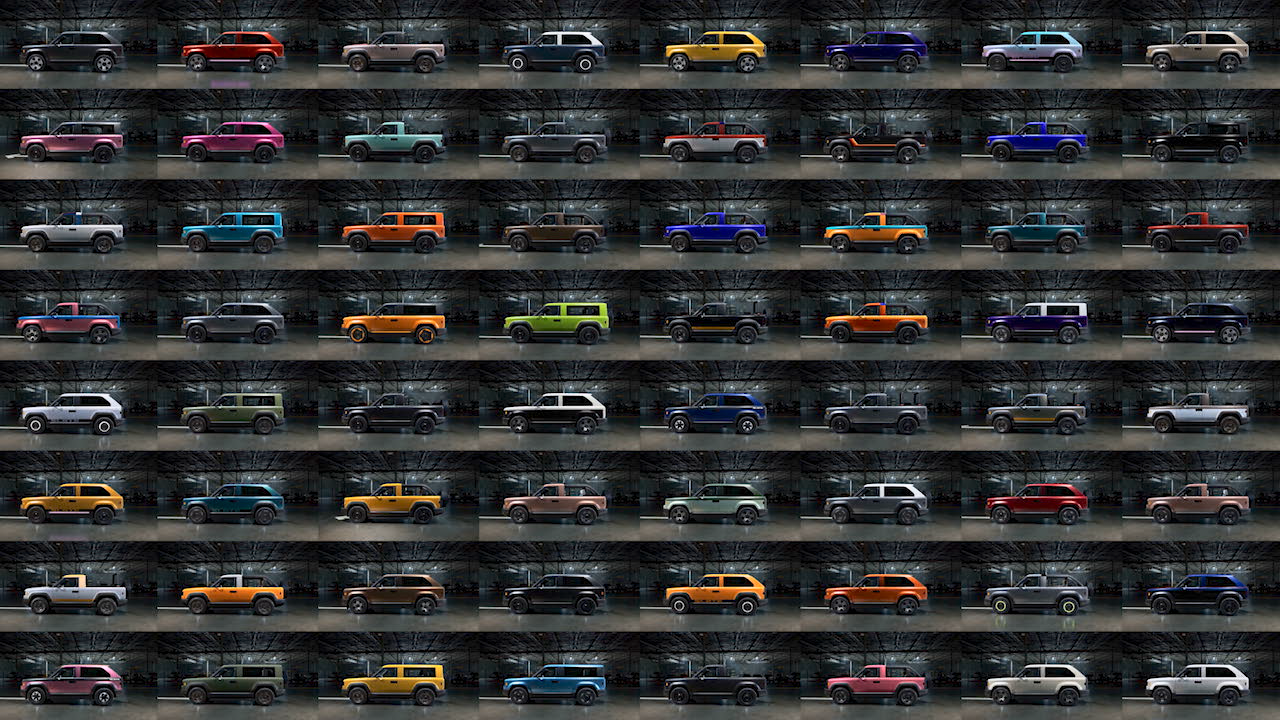
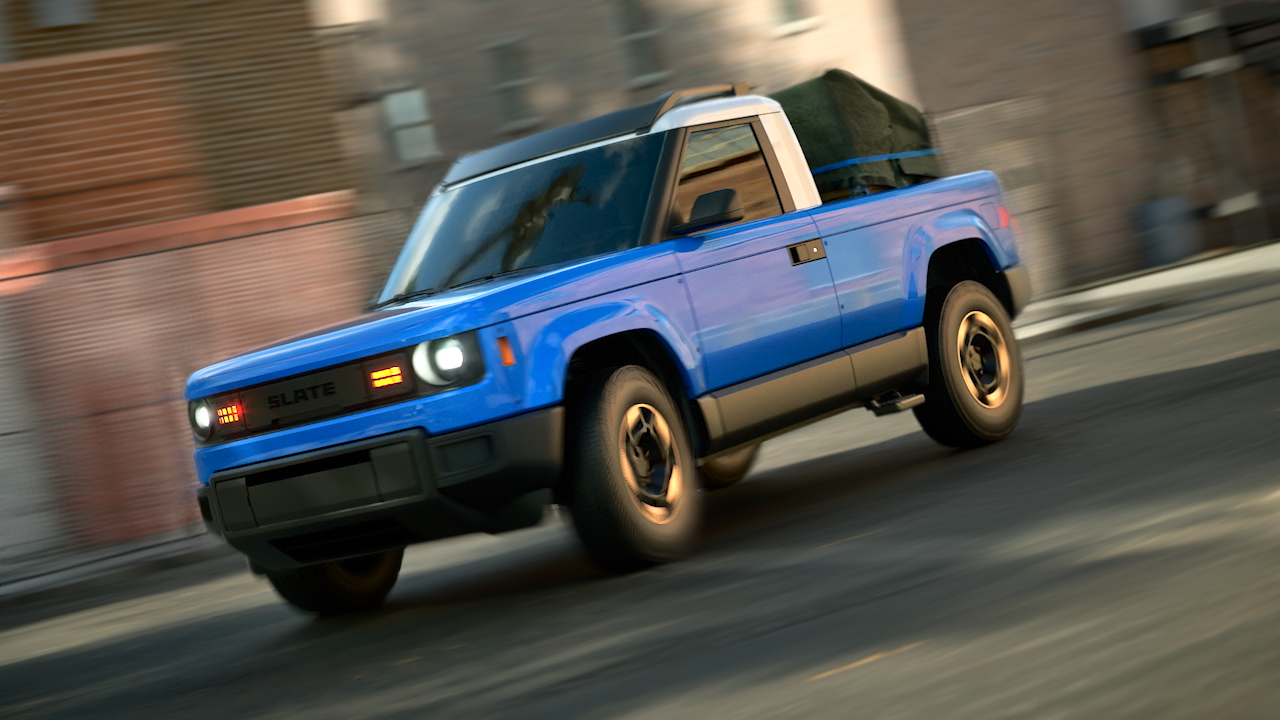
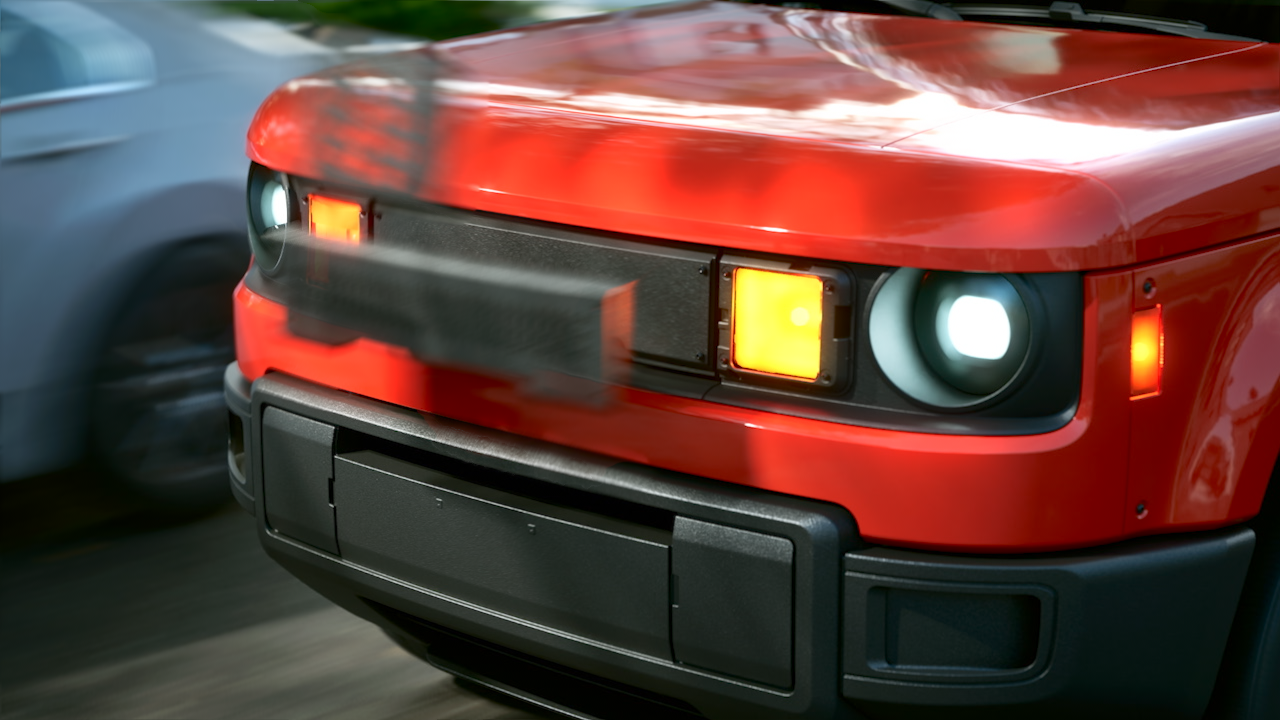
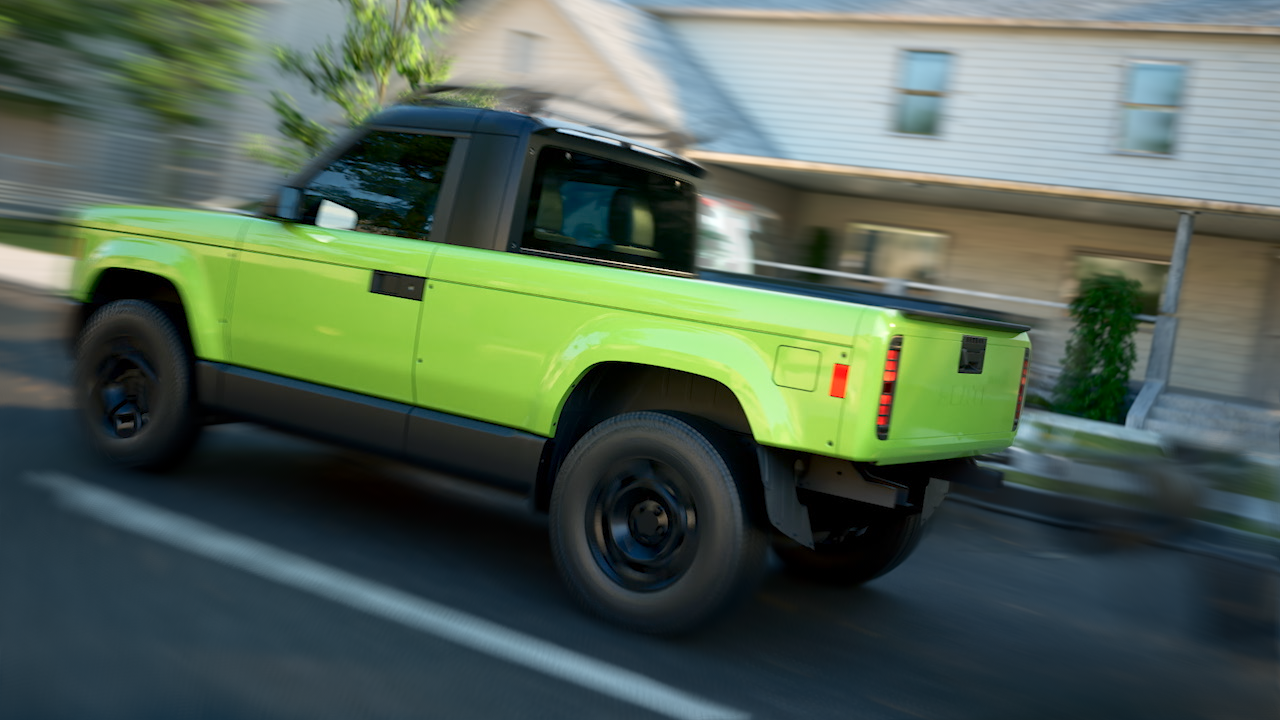
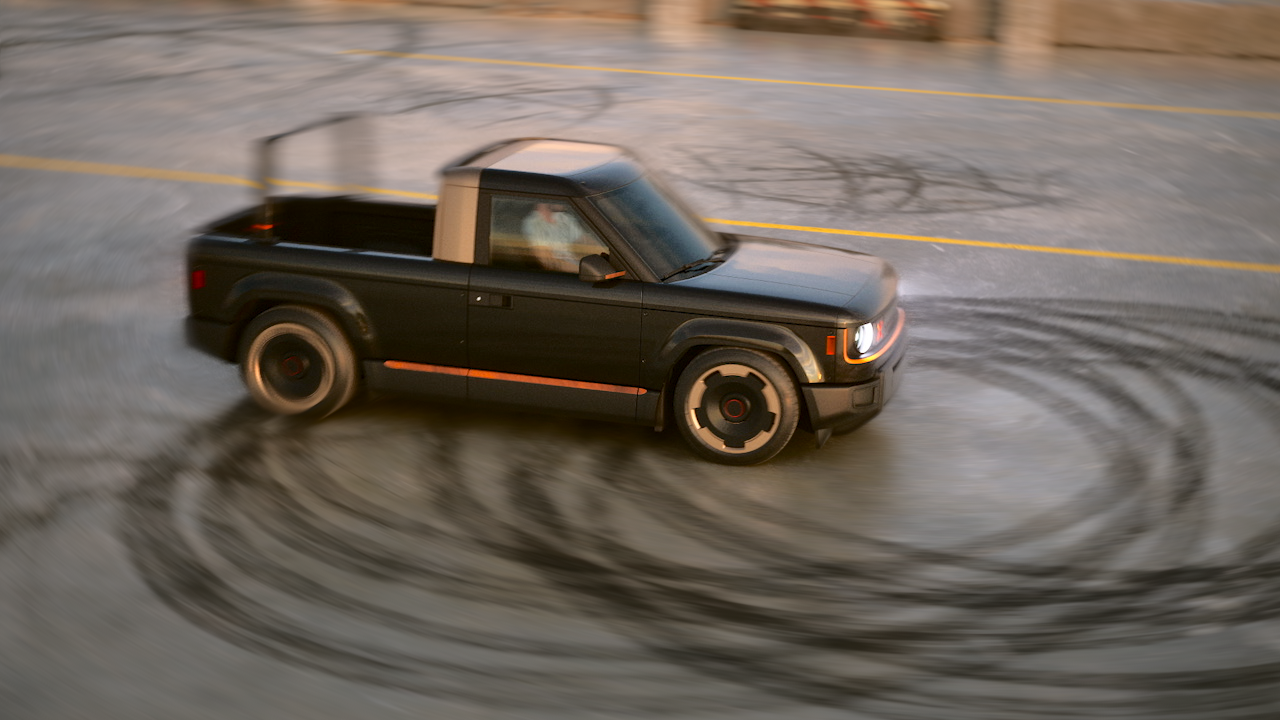
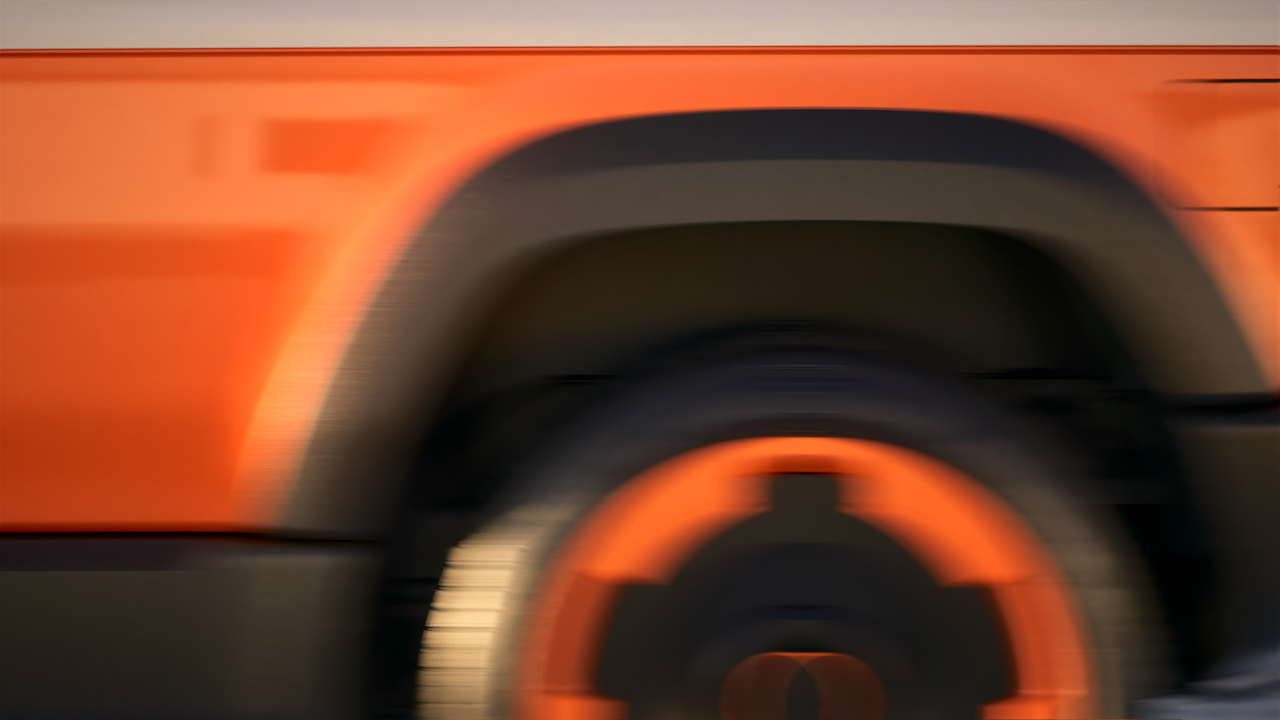
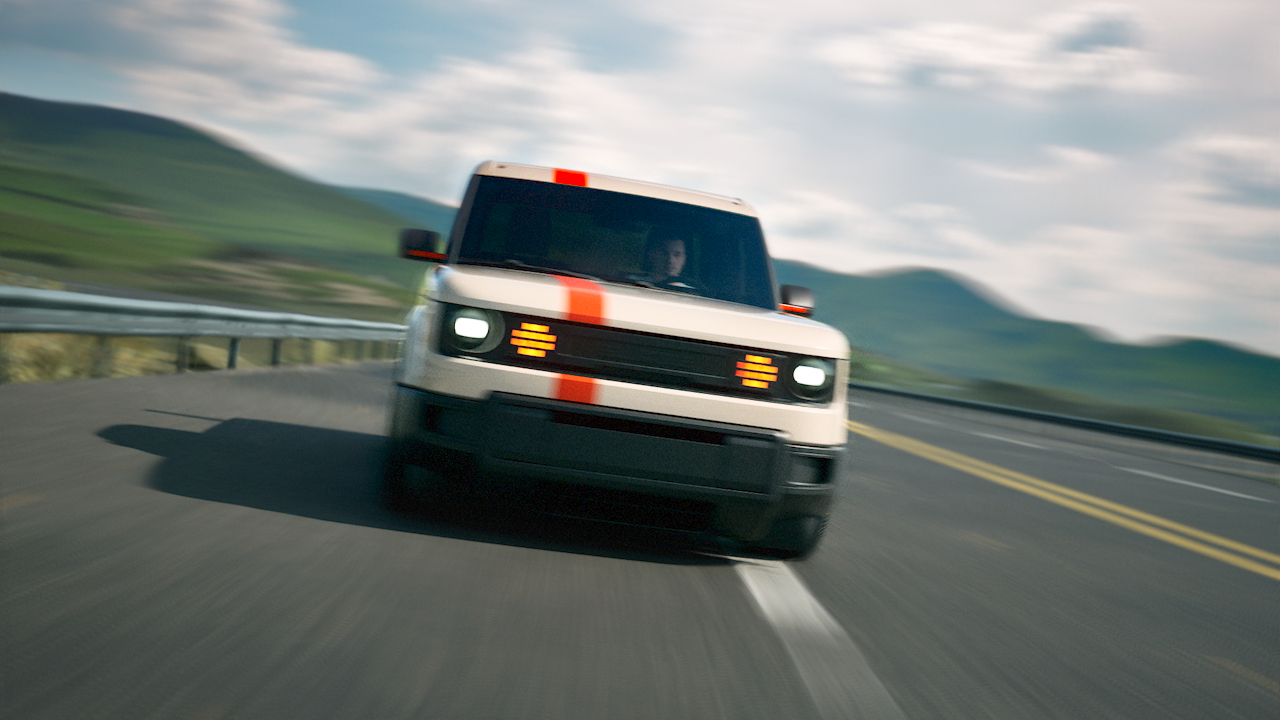
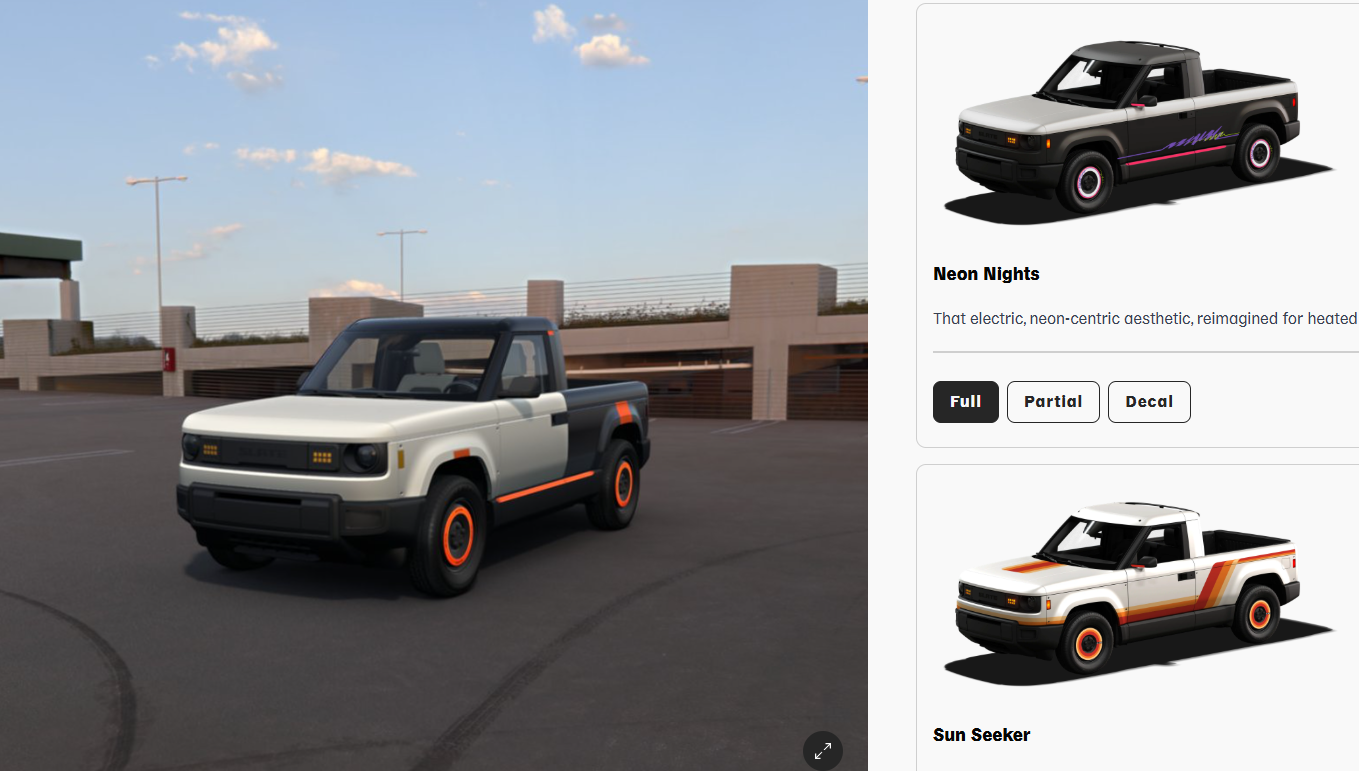
To reinforce the idea that every Slate Truck can be uniquely configured, we designed a hero grid sequence built around a single CGI animation. Rather than creating dozens of individual shots, we developed a flexible base render that established the vehicle's motion, environment, lighting, and camera movement.
Using Slate's online configurator as a reference, we captured an extensive library of vehicle configurations and translated those variations into the animation. AI-assisted workflows accelerated the implementation of each unique build while preserving consistency across lighting, perspective, and motion. The result is a dynamic sequence that showcases the breadth of customization available without sacrificing visual cohesion or production efficiency.
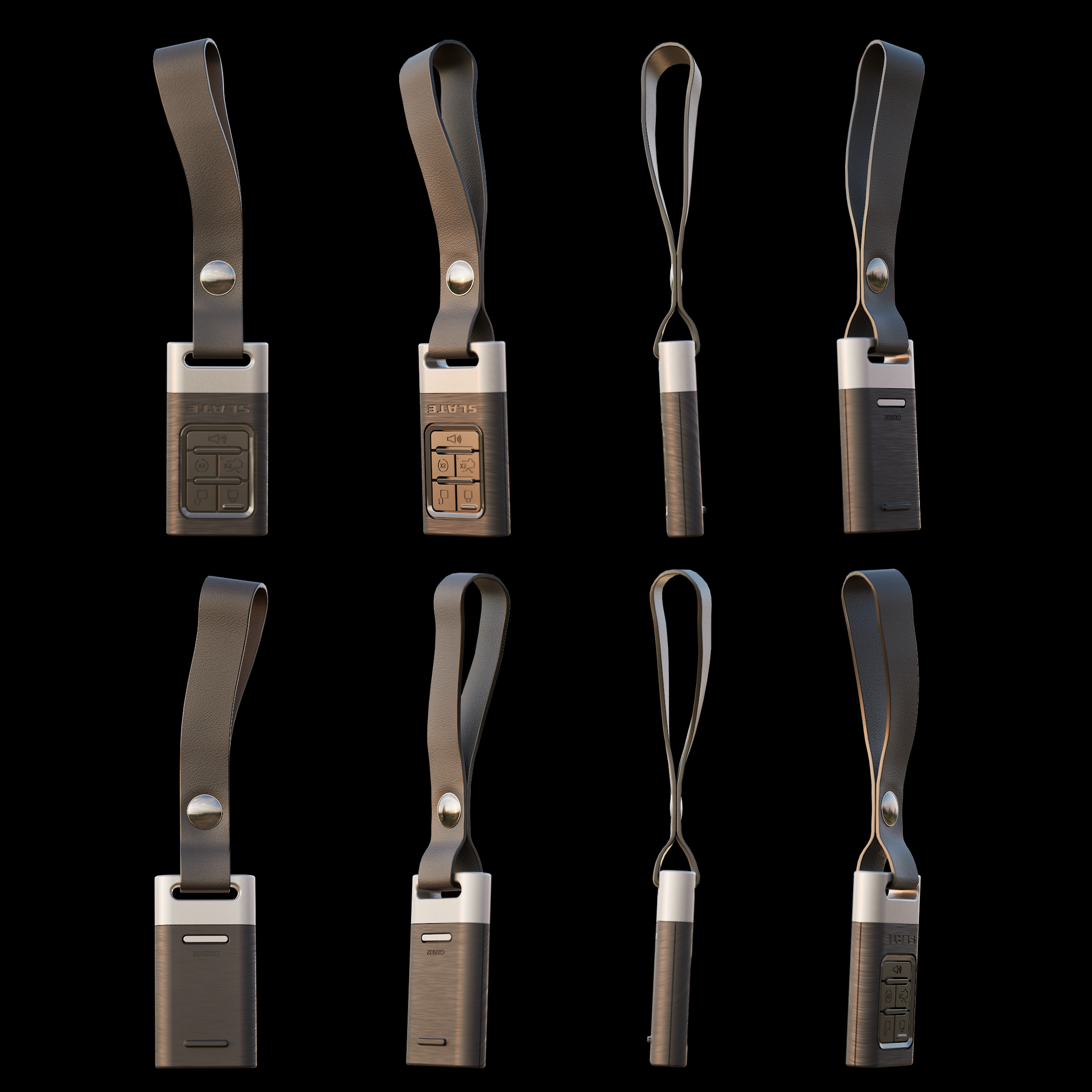

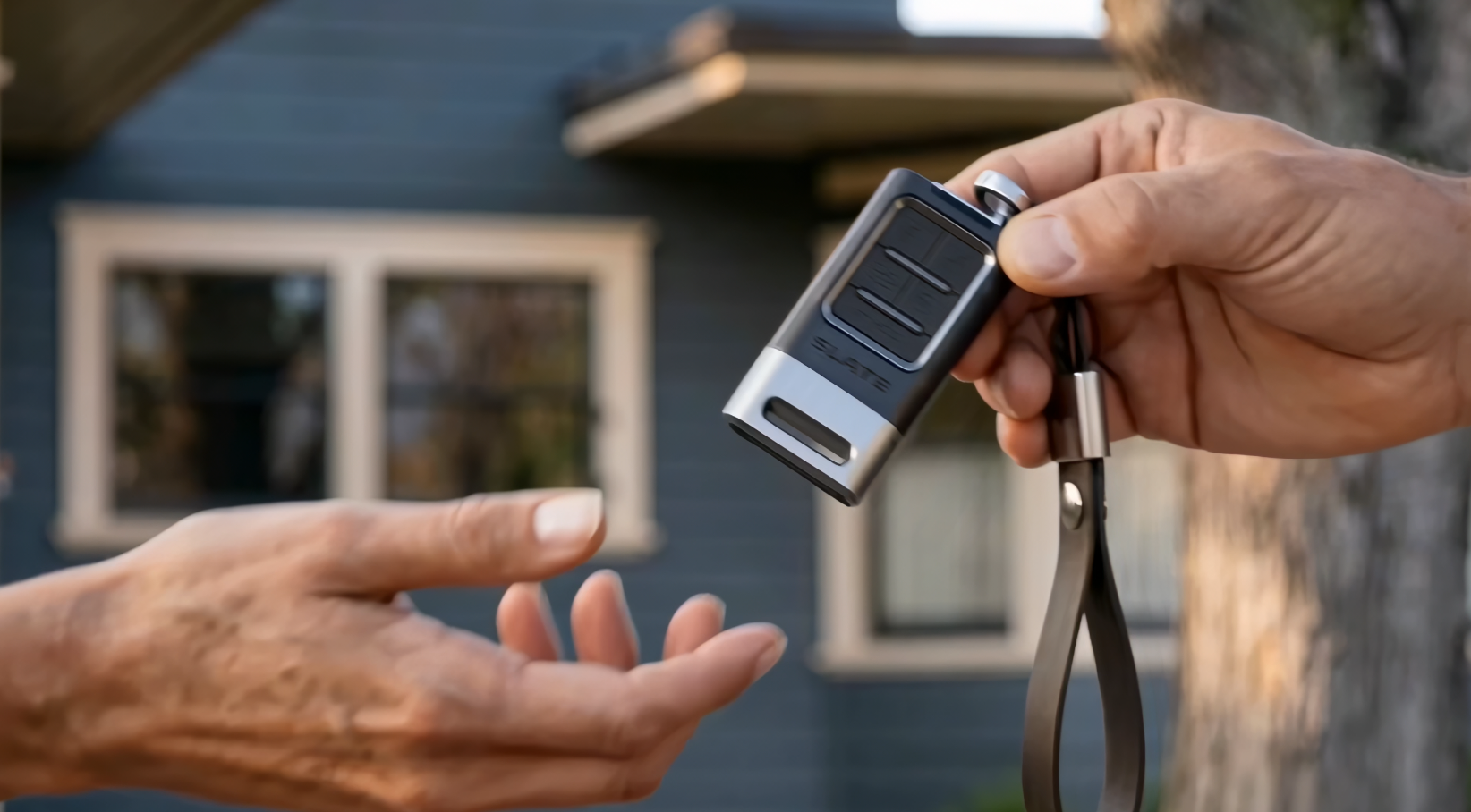
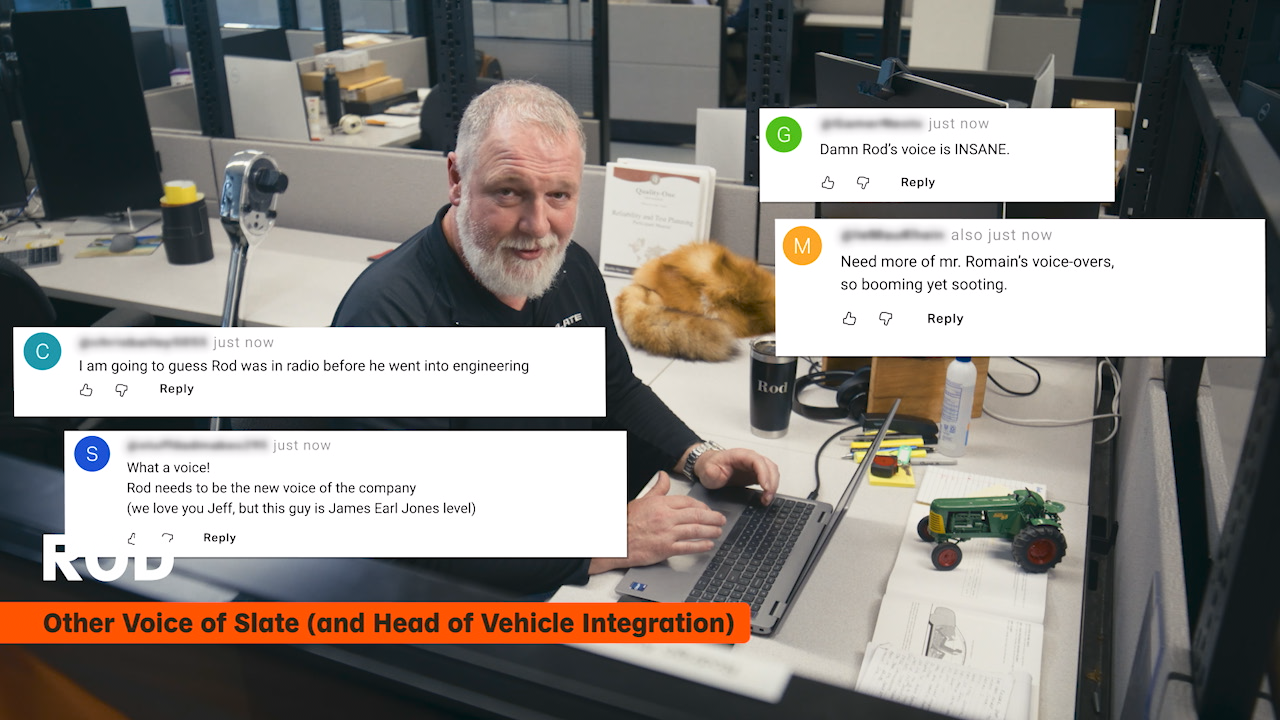
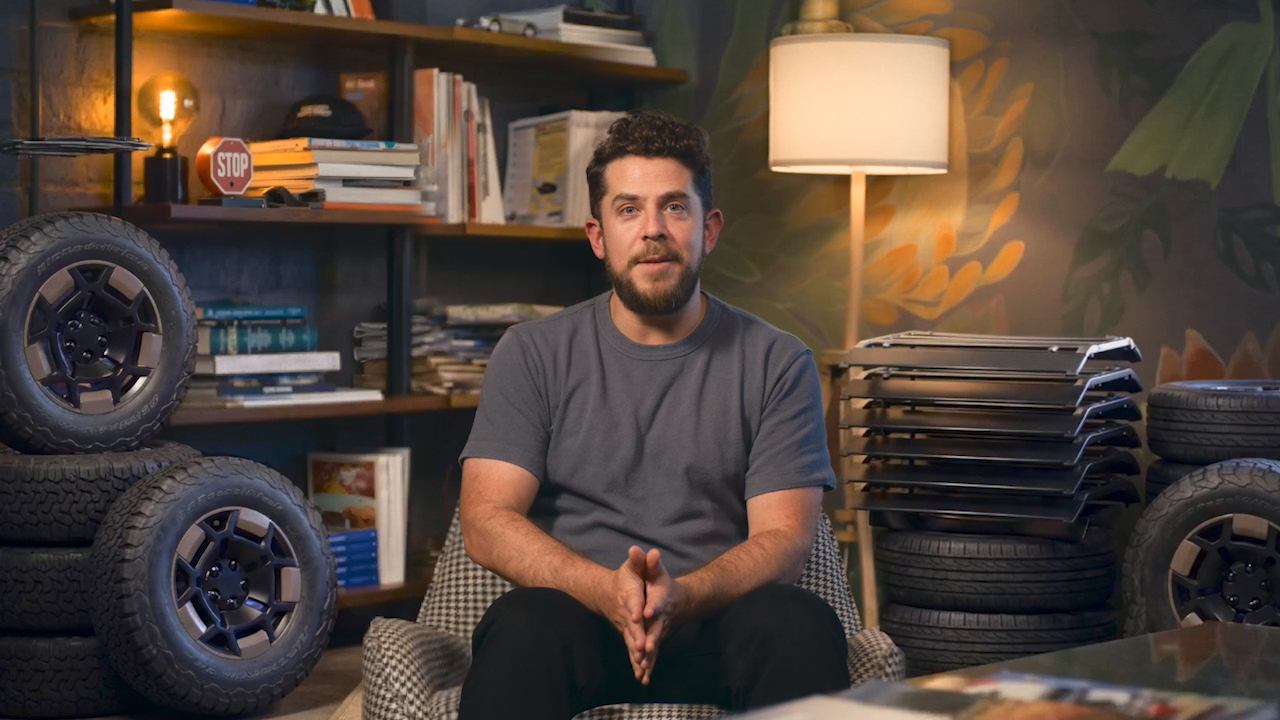
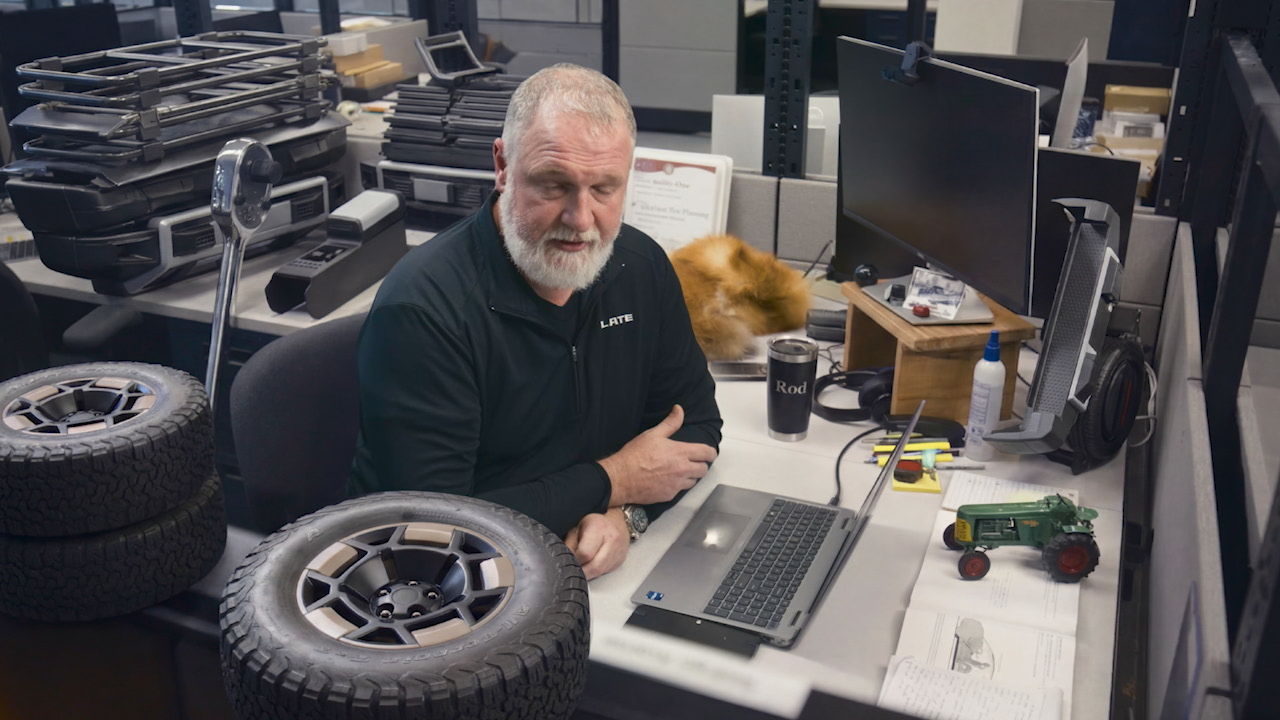
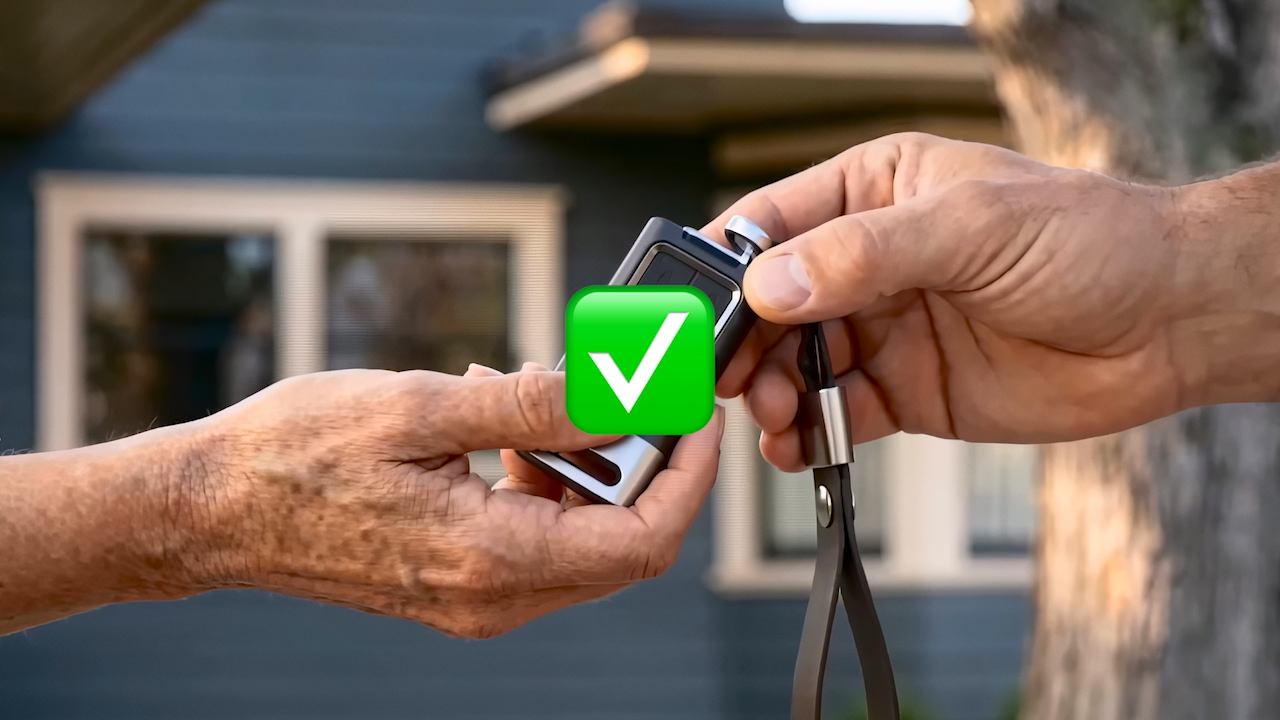
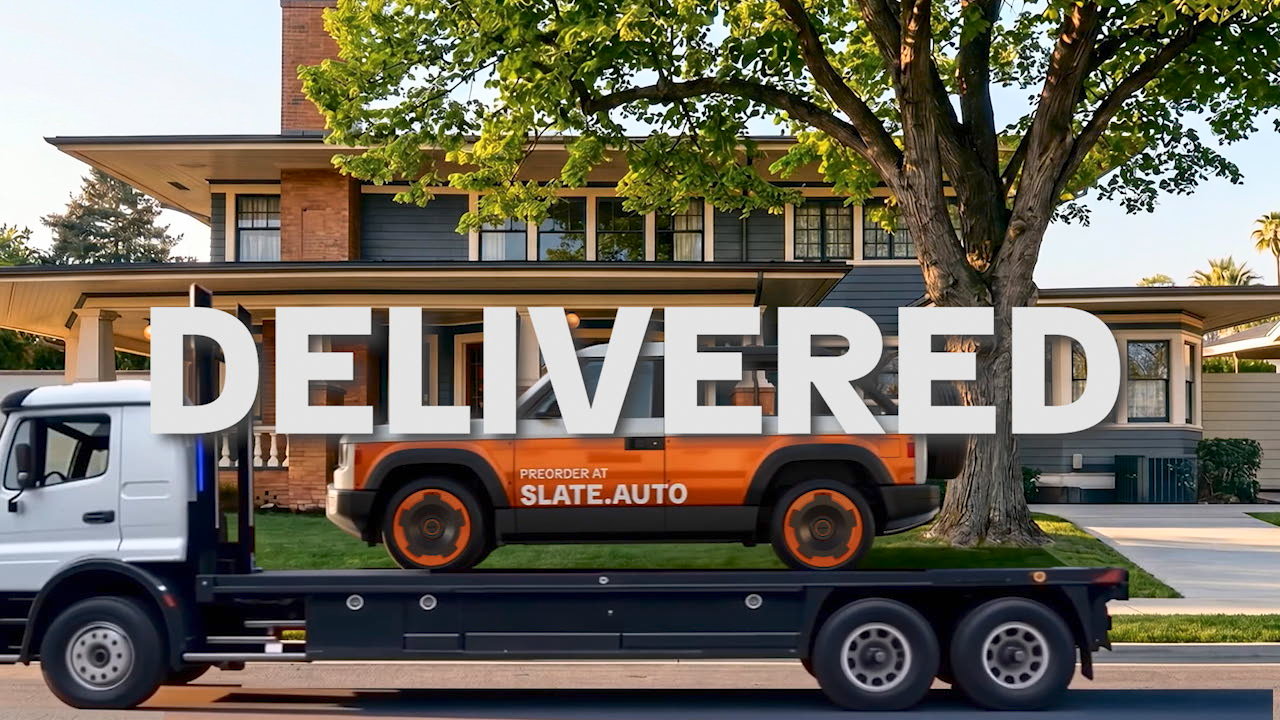
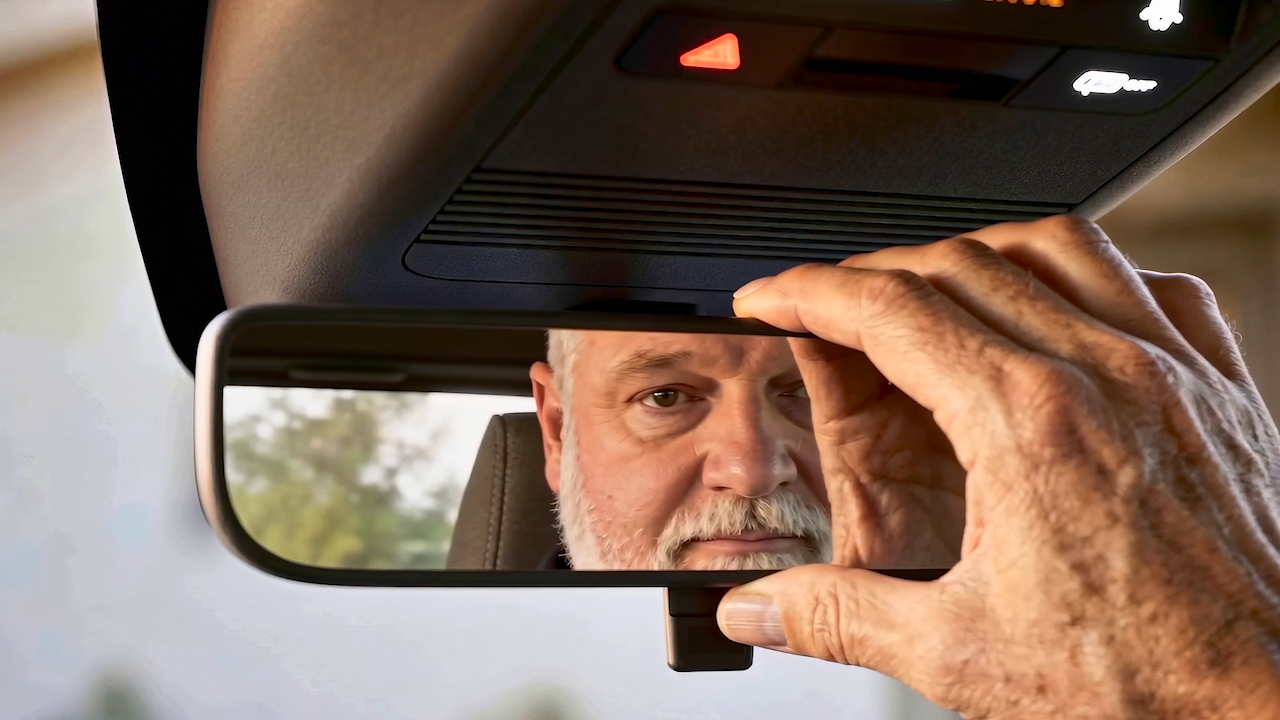
Another powerful application of our AI workflow was the integration of talent into CGI backplates. Modern productions move quickly, and scripts often continue to evolve deep into the creative process. In this case, we needed imagery of specific talent interacting with the vehicle, despite never having captured that footage during production.
Using AI-assisted techniques, we were able to seamlessly integrate the talent into our CGI environments and create moments that had never been filmed. This gave the creative team the freedom to develop new story beats, refine the narrative, and respond to changing needs without the time and expense of organizing additional shoots.
By bridging the gap between live-action and CGI, we transformed missing production elements into finished, cinematic imagery—allowing the project to remain flexible without compromising visual quality.